
Church of Elmo
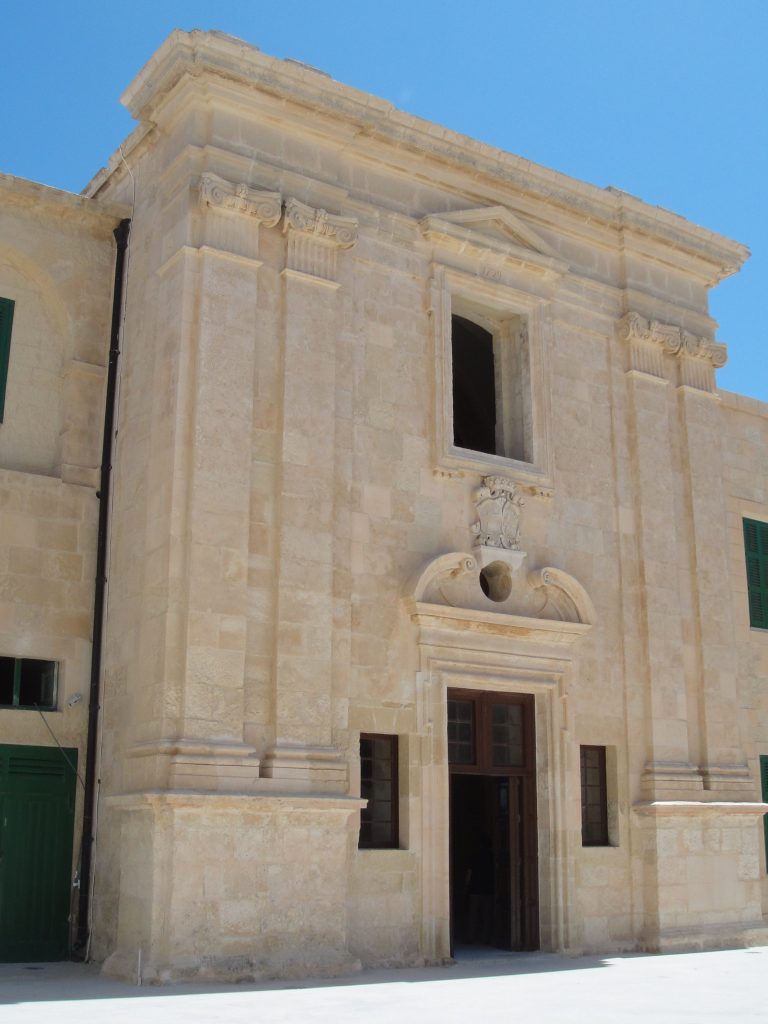
Nestled in the historic town of Kaiapoi in the Canterbury region, the Church of Elmo stands as a quiet testament to the enduring presence of faith and community in rural New Zealand. While not officially affiliated with any major denomination, this small wooden chapel has captured local imagination with its distinctive name and peaceful setting, reflecting the broader tapestry of spiritual expression found throughout the country. As one of many modest yet meaningful places of worship scattered across New Zealand’s diverse landscapes, the Church of Elmo embodies the quiet resilience and cultural significance of rural churches in fostering connection, reflection, and continuity in an ever-changing world.
3 Laurel Lane, Kaiapoi 7630, New Zealand
Situated at 3 Laurel Lane, Kaiapoi 7630, New Zealand, the Church of Elmo stands as a distinctive and thought-provoking presence within the community, drawing attention not only for its unconventional name but also for its deep local resonance. While linked in public memory to notable figures such as Andrew Dunbar—whose life story is preserved in historical records like those found at http://deaths.press.co.nz/nz/obituaries/the-press-nz/name/andrew-dunbar-obituary?id=42007289—the site embodies a unique blend of cultural curiosity and spiritual intrigue. Its location in a quiet residential area adds to its mystique and accessibility, inviting both contemplation and conversation. For those interested in alternative spiritual spaces or regional heritage, the Church of Elmo represents a compelling intersection of history, identity, and community engagement, making it a noteworthy point of interest in North Canterbury.
| Monday | 5 AM–9 PM |
| Tuesday | 5 AM–9 PM |
| Wednesday | 5 AM–9 PM |
| Thursday | 5 AM–9 PM |
| Friday | 5 AM–9 PM |
| Saturday | 4:30 AM–7:30 PM |
| Sunday | 4:30 AM–7:30 PM |
More information
What is the Church of Elmo in Kaiapoi, New Zealand?
The Church of Elmo, located at 3 Laurel Lane, Kaiapoi, is not a traditional religious institution but rather a conceptual and artistic project tied to the late Andrew Dunbar, a notable figure in New Zealand’s underground art and publishing scene. This church emerged as a symbolic entity reflecting Dunbar’s philosophical and satirical take on belief systems, mortality, and digital legacy, particularly through his work with Death’s Press, an online obituary platform. It stands more as a cultural commentary than a place of worship, blending internet art with existential themes unique to contemporary New Zealand counterculture.
Is the Church of Elmo an active place of worship?
No, the Church of Elmo is not an active place of worship in the conventional sense. It does not host regular services, sacraments, or religious gatherings typical of established Christian churches in New Zealand. Instead, it functions as a metaphorical and digital space, rooted in the creative vision of Andrew Dunbar, who used irony and performance art to explore themes of death, memory, and identity. Its presence is largely maintained through online archives and conceptual projects, making it more of a digital memorial than a physical congregation.
Where exactly is the Church of Elmo located in New Zealand?
The Church of Elmo is associated with the physical address of 3 Laurel Lane, Kaiapoi, 7630, a residential property linked to Andrew Dunbar, who was central to its creation and narrative. While the location exists, it is not marked as a public church or spiritual site, nor does it feature religious signage or facilities. The significance of the site lies more in its connection to Dunbar’s work with Death’s Press and his broader artistic expression, rather than any ecclesiastical function. It remains a point of interest for those exploring alternative belief systems in Aotearoa.
How is the Church of Elmo connected to Death’s Press in New Zealand?
The Church of Elmo is intrinsically linked to Death’s Press, an online obituary archive founded by Andrew Dunbar, where he documented lives with a distinctive blend of reverence and dark humour. The church evolved as a thematic extension of this project, treating mortality as a kind of modern-day religion, with rituals centred on remembrance and digital legacy. Through Death’s Press, Dunbar created a space where obituaries became acts of storytelling and resistance against oblivion, reinforcing the Church of Elmo as a symbolic institution rather than a physical one.

We hope you enjoyed this article about Church of Elmo.